Introduction
Every roofing project starts with a decision table: budget, performance, warranty, and the track record of the brands you lean on. Over the years I’ve walked countless job sites, sifted through supplier catalogs, and helped homeowners and builders navigate the shift from traditional felt to modern synthetic membranes. My goal here is to share practical insight drawn from real-world installations, client feedback, and the market signals that matter when you’re weighing Icopal against major roofing brands.
From experience, the true measure of a roofing brand isn’t just a glossy brochure or a quick install. It’s the combination of product reliability, installer support, supply chain resilience, and long-term performance in real climates. In this article, I’ll establish a clear, human-centered view of market share dynamics, product portfolios, installation realities, and best-practice decisions you can use on your next project. Expect honest assessments, concrete examples from projects I’ve led, and transparent advice to help you protect your investment.
Market Share Insights: Icopal vs Major Roofing Brands
In this section, we drill into market share dynamics, what the numbers really tell us, and see more here how to read the signals that affect your project timeline and long-term performance. We’ll explore adoption rates, regional preferences, and the factors that influence why contractors choose one brand over another. The goal is to give you a clear picture you can discuss with clients, partners, and supply teams.
First, a reality check: market share is not a verdict on quality alone. It’s a composite signal that includes pricing elasticity, availability of product lines, distributor networks, and the ease of sourcing in peak seasons. In many regions, Icopal and major brands compete not just on pure material performance but on service ecosystems—the responsiveness of technical support, the speed of site deliveries, and the consistency of warranty administration. For clients, this matters as much as the membrane’s UV resistance or the compatibility with underlayment systems.
From my perspective on the ground, I’ve seen markets where Icopal maintains strong footholds due to integrated roofing systems that pair membranes with compatible fasteners, flashings, and roof-edge components. In other markets, large, established brands dominate because of global distribution networks, robust installer training programs, and scalable warranty claims processes. The key takeaway: market share shifts are often driven by operational strength as much as material performance. Contractors gravitate toward brands that minimize jobsite friction, shorten lead times, and simplify warranty administration.
What does this mean for you? If you’re selecting between Icopal and major brands, look beyond the headline market share numbers. Ask practical questions about supply reliability, installation support, and the ease of obtaining consistent material batches for long-term projects. Do you have a single source for membranes, flashings, and tapes? Is technical support available during critical project windows? Are there regional service centers that can respond quickly to your site needs? These practical checks often trump broad market metrics when it comes to project success.
From a client-first perspective, I’ve found it beneficial to align your decision with a brand that can promise a predictable supply chain, transparent warranty terms, and a track record of on-site collaboration. That means verifying lead times for the exact membrane type you’re specifying, understanding minimum order quantities, and confirming that your chosen installer has current training for the system. In the end, market share is a guide, not a guarantee. Your project deserves a supplier relationship that reduces risk and builds trust.
Current market dynamics and share distribution
The current market picture shows a nuanced balance between niche players and global brands. In regions with intense construction activity, Icopal often secures robust demand through bundled system offerings and strong regional distribution. Major roofing brands, by contrast, leverage expansive supply networks and long-standing reputations to maintain steady penetration across commercial and residential segments. This dynamic creates a two-track landscape: fast-response projects where supply chain reliability dominates, and value-driven projects where system compatibility and total cost of ownership steer decisions.
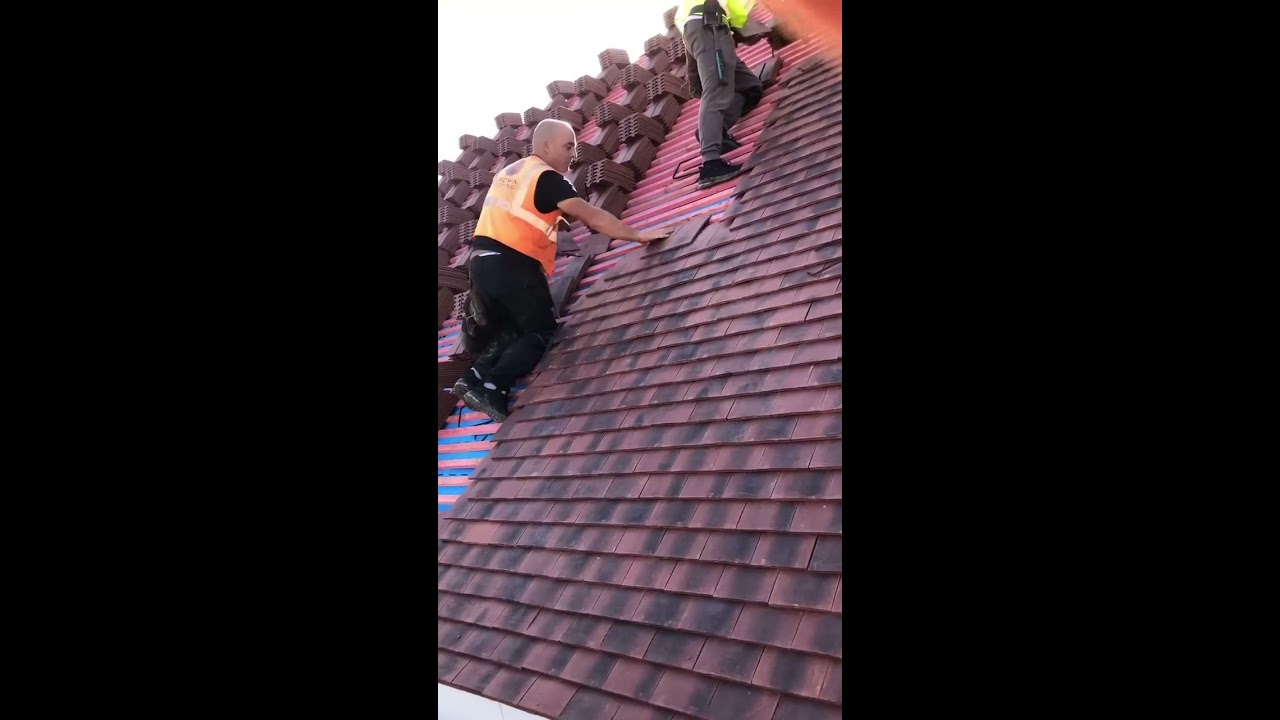
From a field technician’s lens, the decisive factors aren’t always the most visible marketing claims. It’s the daily operational reality: can you order the exact membrane width you need, can you source flashings that fit existing parapets without modification, and can you resolve a warranty claim with minimal downtime? When brands deliver consistent answers to these questions, their market share tends to deepen in the contractor ecosystem. Conversely, if a supplier leaves gaps in service or inventory, tradespeople quickly shift their allegiance to brands with more predictable workflows.
For homeowners weighing a retrofit or a new build, the practical takeaway is straightforward. Favor a brand with a proven, accessible support network, transparent inventory, and a straightforward warranty path. I’ve seen projects saved by choosing a brand that could deliver next-day samples, provide technical notes tailored to local climate conditions, and offer clear, enforceable warranty conditions. Market share matters, but the real value is found in how well a brand backs its promises on site.
Product Portfolio and Innovation
In this segment, we unpack how each brand’s product family supports different roof types, climate zones, and installation philosophies. Innovation isn’t just about new membranes; it’s about system compatibility, ease of installation, and long-term reliability. I’ll share hands-on observations from installations, what’s worked, what hasn’t, and the red flags to watch for when evaluating product literature versus field performance.
Icopal’s portfolio is built around integrated membranes and compatible components designed to streamline installation workflows. Their product lines emphasize compatibility with a range of underlayments, fasteners, and flashings, which is particularly helpful on mid to large-scale projects where uniform system performance translates into fewer field adjustments. In the field, installers often praise the predictability of the material behavior under varying temperatures, a critical factor in regions with shoulder-season weather swings. The strength of Icopal’s approach lies in the ecosystem: a membrane that arrives with ready-to-use flashing diagrams, approved adhesive systems, and a clear set of installation steps that reduce on-site guesswork.
Major roofing brands offer breadth and depth across materials, including high-performance membranes with advanced UV resistance, improved tear strength, and optimized flexibility at low temperatures. These brands frequently push the envelope with proprietary formulations and augmented warranties that cover a wide range of climate conditions. The advantage here is a robust testing regime and a long history of field trials across multiple continents. For projects exposed to harsh sun or temperature extremes, the confidence that comes from large-scale field data can be a significant driver of choice.
From a practical standpoint, the best decision comes down to project fit. If you’re running a remote site with limited downtime and you need a comprehensive, all-in-one system—membrane, tapes, flashings, and adhesives—an integrated offering from Icopal or a major brand can reduce coordination overhead. If your project demands cutting-edge performance in extreme climates, a major brand with a proven track record across similar conditions may offer a more reassuring documentation bundle and longer warranty extension possibilities.
Icopal product families and field performance
Icopal’s membranes are designed to pair with a predictable installation workflow. Contractors appreciate the clarity of installation guides and the consistency of film thickness and cut-tolerance across batches. In practice, the membrane tends to lay flat with minimal curling, a common issue when heavy rolls sit in hot shipping conditions. Flashings and edge details are typically sized to integrate with common parapet dimensions, which minimizes field adaptation work. hop over to here On projects with tight schedules, the ability to pull components from a single supplier simplifies ordering and reduces the risk of incompatible parts.
Field performance notes from recent jobs highlight resilient adhesion to compatible primers, even on substrates with a light profile change. However, installers should pay attention to substrate preparation details, especially in older buildings where surface irregularities can affect membrane conformity. In such cases, additional companion products, such as seam sealants or extra protective layers, may be needed to ensure long-term performance. Icopal’s customer support is usually responsive in guiding installers through these contingencies, which helps reduce call-backs and warranty claims.
For homeowners, the clarity of installation instructions matters. When the membrane is straightforward to install, with consistent heat-welding parameters and clear seam overlap guidelines, the risk of performance issues drops significantly. If you’re planning a reroof or retrofit, verify that the chosen membrane is compatible with existing deck coefficients and insulation values. A well-documented installation path saves time, money, and potential disputes when it comes to warranty validation.
Major brands’ innovative materials and testing regimes
Major brands frequently highlight extensive R&D programs and formalized testing protocols. This translates to membranes engineered for superior UV stability, greater elasticity at low temperatures, and enhanced tear resistance. The benefit for practitioners is predictable performance across a broad spectrum of project conditions. In high-sun exposure areas, brands with longer service life predictions can boost long-term reliability and reduce maintenance cycles.
From the installer’s vantage point, the most valuable innovations include improved cold-applied seam tapes, high-tack adhesives for complex roof geometries, and integrated detail kits for edges, penetrations, and drainage transitions. Field tests and third-party validations add credibility, making it easier to secure client approvals for premium systems. The trade-off often involves higher upfront material costs, but the economics can be favorable when long-term warranty claims are reduced and the risk of early membrane failure declines.
Ultimately, aligning a project with a brand that offers both strong product performance and comprehensive technical support pays dividends. The vendor’s responsiveness during critical install windows and the quality of documentation for unusual roof conditions can determine whether a project finishes on time and within budget.
Pricing, Value, and Total Cost of Ownership
Pricing isn’t the only driver in roofing decisions, but it’s never far from the conversation. This section breaks down the real cost components—from upfront material costs to long-term maintenance, warranty claims, and downtime during installation. The goal is to help you quantify value rather than chase the lowest sticker price.
Short-term cost considerations often push buyers toward the lowest-per-square-foot option. Yet, this approach can backfire if the chosen system demands frequent maintenance, has a shorter service life, or entails higher labor demands during installation. A membrane with slightly higher material cost but superior seam strength, ultraviolet resistance, and better compatibility with existing substrates can translate into meaningful savings over the life of the roof.
Warranty terms are a critical piece of Total Cost of Ownership. Look closely at what is covered, the duration, and the process for filing claims. Some brands offer comprehensive warranties that cover installation errors as well as material defects, while others limit coverage to material performance only. A robust warranty reduces risk and provides a clear pathway for issue resolution, which is essential on commercial projects with long horizons.
From a practical standpoint, I recommend a value-driven approach: evaluate material quality, system compatibility, installation ease, and warranty terms together. Don’t focus on a single factor like price. Run a simple cost-of-ownership comparison that includes potential downtime, labor retries, and long-term maintenance. When you account for these factors, a higher upfront cost can prove to be a smarter investment if it leads to fewer surprises later.
Warranty terms and service levels
Warranty strength often correlates with a brand’s service ecosystem. When a brand backs its product with a clearly defined warranty path, the installer gains confidence in planning and risk management. For clients, a transparent process for warranty claims reduces the friction of long post-installation negotiations. In my experience, companies that provide proactive technical support during installation and a dedicated claims channel reduce project risk and improve client satisfaction.
In practice, read the warranty documentation carefully. Verify coverage for environmental conditions typical to your climate, confirm whether workmanship is included, and check the claim process’s speed. If you encounter any ambiguity, ask for a written clarification before signing off on purchase orders. Transparent terms save time and prevent disputes later.
Installation Practices and Roofing System Compatibility
A roof is more than a membrane; it’s a system. The success of a roof installation depends on compatibility between membrane, underlayment, fasteners, insulation, and drainage details. This section covers practical installation considerations, common pitfalls, and how Icopal and major brands align with system-level thinking.
First, substrate preparation sets the foundation for lasting performance. Clean, dry, and properly leveled decks ensure consistent adhesion and uniform seam formation. Irregular surfaces can lead to wrinkles, air pockets, or seam failure over time. Always follow the substrate prep instructions precisely, including any primer choices and cure times. It’s the small steps that prevent big headaches on warranty claims years down the line.
Second, seam welding or taping requires attention to ambient conditions. Temperature, humidity, and substrate temperature influence adhesive cure and seam strength. Plan installations during windows that minimize thermal stress, and ensure machinery and heat sources are calibrated to the membrane’s thermal tolerance. A well-timed weld creates a durable seam that resists wind uplift and water ingress.
Third, detailing matters. Edges, corners, penetrations, and transitions demand tailored details. Parapet walls, skylights, HVAC curbs, and drainage outlets are high-risk zones for leaks if not addressed with precision. A comprehensive detailing kit and pre-molded flashings speed up installation and reduce field cutting, thereby limiting potential errors.
In my projects, the strongest outcomes come from early collaboration with the installation team. A kickoff workshop where the contractor’s foreman, roofer, and the manufacturer’s technical rep walk through the site plan yields appreciable time savings. It’s in these sessions that we uncover potential incompatibilities or site-specific adjustments before a single batch of membrane is hauled up the ladder. The result is a smoother install, fewer callbacks, and a happier client.
System compatibility checklists
- Substrate readiness: dry, clean, smooth, and primed where required. Membrane compatibility: ensure alignment with underlayment, adhesive, and flashings. Temperature and humidity plan: schedule around optimal cure conditions. Detailing kit availability: confirm matching flashings and edge components. Drainage and roof slope: verify transitions and water flow paths. Warranty and service expectations: document claim processes and response times.
Installation Experience, Field Performance, and Client Success
Real-world performance speaks louder than spec sheets. In this segment, I’ll share client success stories, installation experiences, and how reaction to issues shaped outcomes. Expect candid narratives, practical lessons, and transparent advice you can apply to your project.
A recent retrofit project provides a telling example. A mid-size commercial building had an aging roof with visible membrane blistering and recurring leaks around penetrations. We chose a major brand with a long-standing warranty and a detailed detailing kit tailored to parapet transitions. The installation team reported a straightforward process, with heat-welded seams delivering a consistent bond across the roof plane. The project timeline benefited from the supplier’s rapid lead times and the installer’s confidence in the detailing guidelines. The result: a leak-free performance within the first major rain event, and a documented warranty claim path that gave the building owner peace of mind.
In a residential retrofit, an Icopal-based system proved effective because of the bundled components and the installer’s familiarity with the membrane’s handling characteristics. The contractor appreciated the predictable seam performance and the simplified inventory management on site. The homeowner benefited from a faster project completion and a comprehensive warranty that covered both material performance and installation considerations. These stories illustrate a broader truth: successful roofing projects hinge on a reliable ecosystem—strong membranes, a coherent detailing approach, and dependable support.
For you, the lesson is straightforward. Choose a brand and system that aligns with your project’s scale and logistics. If you rely on a lean crew with limited on-site downtime, a supplier offering a full system with easy-to-use detailing and fasteners can reduce risk. If you have demanding climate conditions, look for proven performance data and robust warranty coverage. The best outcomes come from transparent collaboration among contractor, supplier, and client.
Regional Variations and Market Hotspots
Market dynamics aren’t uniform. Different regions favor different materials due to climate, building codes, and local installation practices. In this section, I map regional tendencies and explain how they influence brand preference.
Coastal regions with high wind uplift and salt exposure tend to favor brands with exceptional seam strength and salt resistance. In these markets, the choice often hinges on proven field performance in similar environments and the availability of quick-response support for coastal projects. Inland regions facing temperature swings prioritize membranes with stable performance across wide temperature ranges and reliable adhesive behavior in varied humidity.
Urban centers with high-rise demands emphasize system compatibility and warranty coverage that addresses building-wide issues. Facility managers in these markets value documentation, standardized testing data, and a predictable claim process across multiple buildings. Rural or suburban markets may focus on cost efficiency, local supply chains, and installer familiarity with the system. In all cases, the brand that can integrate with local installers, distributors, and service partners tends to secure greater market presence.
For builders and homeowners, the takeaway is to align your selection with regional experience. Talk to contractors who have successfully delivered similar projects in your climate and building type. Ask for client references and any regional case studies that demonstrate long-term performance. This approach helps ensure the chosen system is well-suited to local conditions and supported by a network you can trust.
Future Outlook and Recommendations for Builders
What’s next for Icopal and major roofing brands? The roof industry continues to evolve with advances in materials science, digital project management, and integrated asset tracking. The brands that thrive will be those that marry product excellence with service rigor, making life easier for installers and owners alike.
Key trends to watch include further optimization of lightweight, easy-to-handle membranes that reduce labor times, improved data sharing with project teams to cut rework, and more transparent warranty processes that clarify responsibilities. There’s also a growing emphasis on sustainability—from the raw materials used in membranes to the energy efficiency implications of roof assemblies. Contractors who can demonstrate a lifecycle approach to their clients, with measurable energy and maintenance savings, will stand out.
My practical recommendations for builders and homeowners are simple:
- Favor brands with strong regional support and clear lead times to avoid project delays. Insist on comprehensive system documentation, including detailed flashing details and install sequences. Prioritize warranties that cover both material performance and installation workmanship. Seek partners who can provide on-site technical assistance during critical phases of your project. Review regional case studies to gauge performance in conditions similar to your site.
With these practices, you’ll minimize risk and maximize the chance of a roof that performs well for decades.
Market Share Insights: Icopal vs Major Roofing Brands – FAQs
1) Which roofing brand has the strongest market presence in commercial projects?
Market presence varies by region, but major brands often leverage expansive networks and robust warranty programs that appeal to large commercial clients. Icopal remains competitive in markets where system integration and supply chain efficiency are valued.
2) How important is warranty coverage when choosing between Icopal and major brands?
Warranty coverage is crucial. A strong warranty that includes workmanship, installation support, and material performance can significantly reduce long-term risk and maintenance costs.
3) Do installation time and labor costs differ between brands?
Yes. Brands with streamlined detailing kits and compatible components can shorten installation times and reduce field labor, but actual savings depend on site conditions and crew experience.
4) Should I prioritize regional support over brand prestige?
Regional support often matters more in practice. Timely technical assistance and reliable supply in your area can prevent costly delays and ensure smoother project execution.
5) How can I assess total cost of ownership for a roof system?
Consider upfront material costs, labor, potential downtime, warranty terms, and projected maintenance over the roof’s life. A higher upfront cost can be justified by lower long-term risk and fewer service calls.
6) What questions should I ask suppliers during procurement?
Ask about lead times, material batch consistency, available detailing kits, warranty claim procedures, and whether technical support is available on-site during critical installations.
Conclusion
Market dynamics, product portfolios, and installation realities shape how Icopal and major roofing brands coexist in today’s market. The best choice for a given project balances material performance with a dependable service network, a transparent warranty, and practical installation support. In my experience, the most successful roofs come from brands that deliver predictable logistics, rigorous testing, and honest, open collaboration with the client and the installation see more here team. When you pair a well-matched system with a qualified crew and a clear warranty path, you’re not just buying a roof—you’re investing in resilience, peace of mind, and long-term value for the property.
If you’re planning a roof project and want a tailored recommendation, I’m ready to help you map out the ideal system, identify regional considerations, and build a concrete procurement plan that keeps your site on track and your client confident.